HackDartmouth XI
Meno
A living 3D map of how your child learns. Strengths, gaps, and understanding learning disabilities.
Built by Armaan Priyadarshan, Samarjit Deshmukh & Kavneer Majhail.
The Problem
Millions of children struggle in silence.
children have a learning disability. Most are never identified until years of struggle have compounded into anxiety and eroded confidence.
of school-age children have dyscalculia, roughly the same as dyslexia, yet it is dramatically underdiagnosed and far less understood.
between when a child starts struggling and when they finally get help. Current tools give a binary label with no detail about where the breakdown is.
We built Meno because too many children struggle for years before anyone understands what's really going on. We wanted to change that.
Armaan Priyadarshan, Samarjit Deshmukh & Kavneer Majhail
The Name
After Plato.
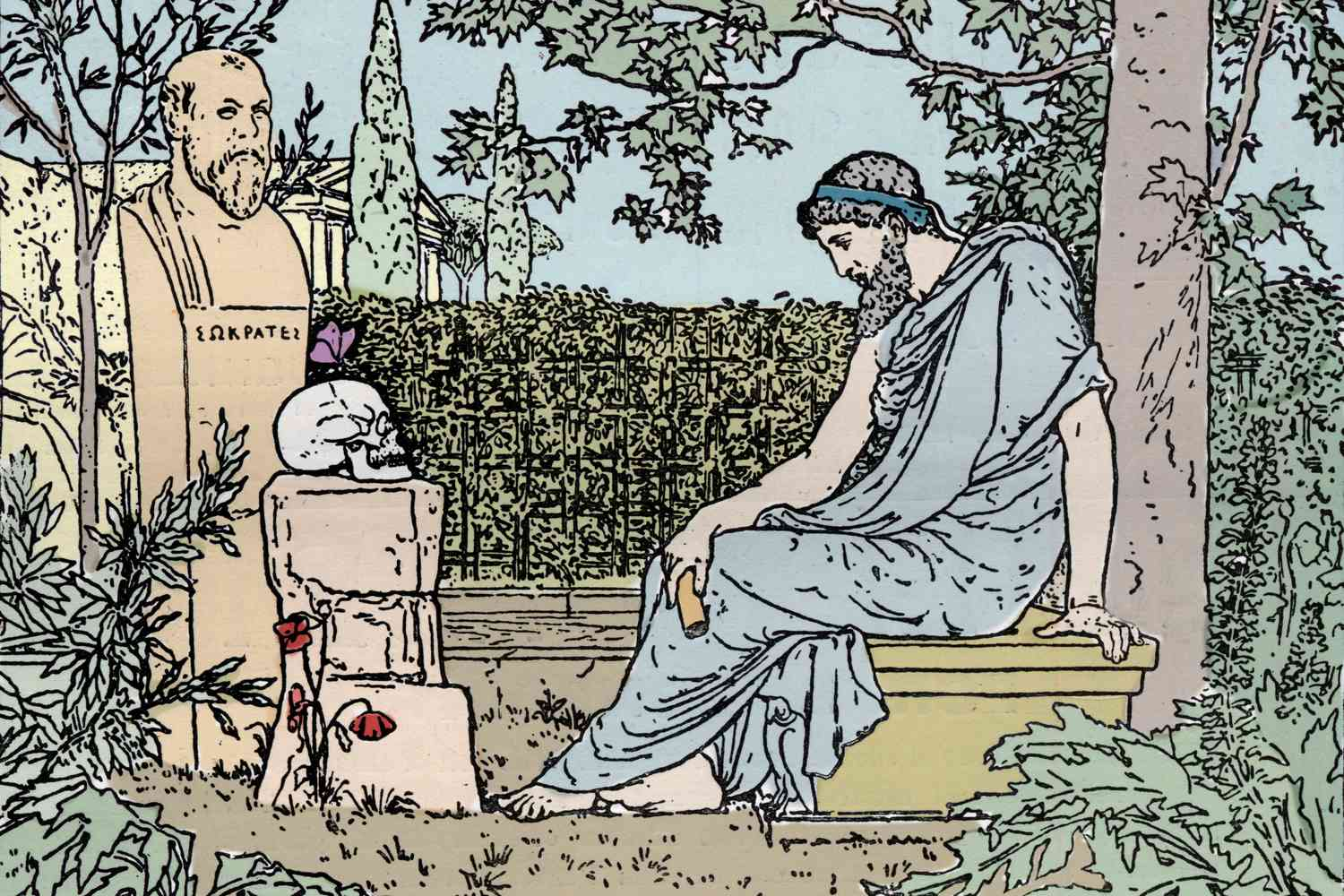
Tell me, boy. Do you know what a square is?
I do.
And you can find the line that would give us a figure double the size of this one?
Yes.
The boy had never been taught geometry. Socrates never lectured. He only asked questions.
In Plato's dialogue, a young slave boy with no education arrives at a geometric proof on his own. The knowledge was already there. He just needed the right questions to draw it out.
That's the thesis of Meno: every child already has the capacity for understanding. A learning disability doesn't mean the knowledge is absent. It means the usual path to it is blocked.
Meno finds where the blockage is, makes it visible, and helps the adults in a child's life ask the right questions.
How It Works
Two platforms. One picture.
The child plays.
Themed game sessions with four task types backed by cognitive neuroscience research. The child sees emoji and encouragement. Behind the scenes, every response records accuracy, timing, hesitation, and strategy.
AI builds the map.
A calibrated classifier computes a behavioral risk profile from 12 extracted features. GPT-4o translates the output into plain-language findings. A knowledge graph tracks mastery per concept.
Parents see the brain.
A 3D voxel sculpture renders inside a translucent head. Green regions are mastered. Red regions need support. Each brain region maps to a graph category via Voronoi spatial assignment. Hovering scatters voxels outward; hovering a graph node blasts the corresponding region. Download a PDF screening report to bring to a specialist.